Disclosure: This post contains affiliate links. We may earn a commission at no extra cost to you. Our research is independent and unbiased.
Editorial Note: Cost data in this article is sourced from published veterinary industry reports (NAPHIA, AVMA, VPI). This is an informational resource — not veterinary or financial advice. For health concerns, consult a licensed veterinarian.
Spay & Neuter Cost 2026: Low-Cost Clinics vs. Vet Hospitals
Dog and cat spay and neuter costs in 2026 — price differences between low-cost clinics and full hospitals, hidden fees, and what affects the final bill.

Pet Insurance Guide Research Team
Independent Analysts
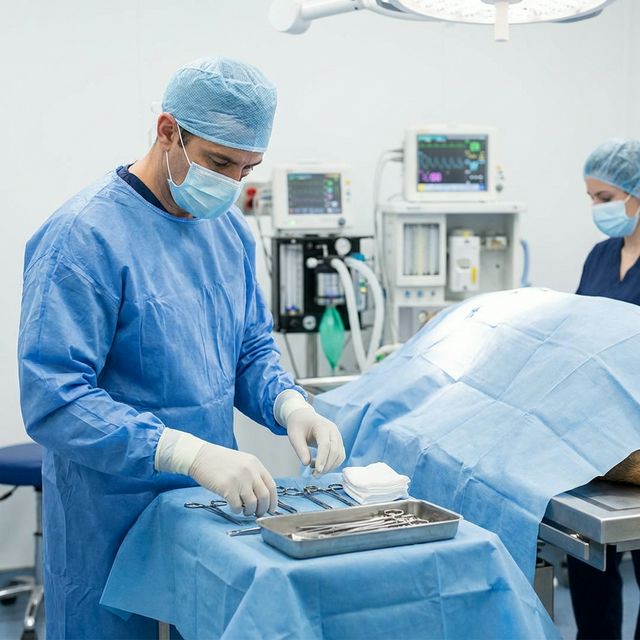
Pet owners typically encounter significant anxiety when scheduling a dog’s spay or neuter. While these surgeries are routine, they are major medical procedures requiring general anesthesia and surgical expertise, often resulting in sticker shock when estimates range from $300 to over $800.
Veterinary data shows that in 2026, the national average cost for a dog spay is approximately $450, and a neuter averages $350. However, the price difference between a low-cost, high-volume clinic and a private hospital can span hundreds of dollars.
Published cost surveys indicate this pricing variance depends on safety protocols, pre-operative screening, intraoperative supportive care, and post-operative monitoring. A detailed cost breakdown reveals the specific services associated with different pricing tiers.
The 2026 Cost Breakdown: You Get What You Pay For
| Service Level | Neuter (Male) | Spay (Female) | Description and Included Services |
|---|---|---|---|
| Low-Cost / Non-Profit Clinic | $50 – $150 | $70 – $200 | Focuses strictly on surgery. High-volume clinics perform essential sterilization but often exclude pre-operative bloodwork, IV fluids, and individualized post-operative monitoring to minimize expenses. |
| General Veterinary Practice | $250 – $500 | $350 – $700 | Includes comprehensive care such as pre-anesthetic blood screening, IV catheter placement, fluid therapy, dedicated technician monitoring, and advanced pain management protocols. |
| Specialty Veterinary Hospital | $600+ | $800+ | Features board-certified surgeons and 24-hour intensive care. This level of specialization is generally reserved for high-risk patients or those with pre-existing medical conditions. |
Understanding Potential Additional Fees
Pet owners typically encounter fees that may not be included in the base quote for a spay or neuter. These additional veterinary costs are often necessary to ensure patient safety:
- Pre-Surgical Bloodwork ($80 – $150): Evaluates liver and kidney function, which process anesthetic drugs. Identifying subclinical organ dysfunction beforehand reduces anesthesia-related risks.
- Elizabethan Collar ($15 – $30): Prevents the dog from licking the surgical incision. Incision breakdown or infection can require emergency surgical repair costing upwards of $500.
- Post-Operative Pain Medications ($30 – $60): Providing veterinarian-prescribed nonsteroidal anti-inflammatory drugs (NSAIDs) like carprofen or meloxicam is critical to manage discomfort.
- In-Heat or Pregnancy Fee ($50 – $100): Spaying during estrus or pregnancy involves engorged uterine blood vessels, which increases surgical complexity, time, and bleeding risk.
- Obesity Fee ($50 – $100+): Excess abdominal fat makes locating reproductive organs more difficult, prolonging anesthesia time and increasing complication risks.
The Medical Reality: Surgical Procedures
Understanding the physiological differences between a female spay and a male neuter explains the divergence in cost and recovery.
Female Spay (Ovariohysterectomy)
A spay is a major abdominal surgery. Under general anesthesia, the surgeon accesses the abdomen through an incision in the skin and muscle wall, ligates the blood vessels supplying the ovaries and uterus, and removes the entire reproductive tract. The incision is closed in multiple layers with absorbable sutures.
- Recovery: Requires 10 to 14 days of strict confinement. Restricting running and jumping prevents suture failure.
- Benefits: Eliminates the risk of pyometra—a life-threatening uterine infection requiring emergency surgery costing $3,000 to $5,000. It also reduces mammary tumor risk to nearly 0.05% if performed before the first estrus cycle.
Male Neuter (Orchiectomy or Castration)
A neuter is a less invasive, non-abdominal procedure. The surgeon makes an incision anterior to the scrotum, ligates the spermatic cords and blood vessels, and removes the testicles.
- Recovery: Requires 7 to 10 days of restricted activity, limited to leash walks.
- Benefits: Eliminates testicular cancer risk, decreases benign prostatic hyperplasia incidence, and reduces behaviors like roaming or mounting.
Evaluating Wellness Plans and Insurance Options
Pet insurance policies covering this condition can significantly reduce out-of-pocket costs — compare waiting periods and condition exclusions before purchasing. Standard accident and illness policies do not cover preventative care, meaning a routine spay or neuter is excluded from basic plans.
Many providers offer optional wellness riders or routine care add-ons for an additional monthly fee. When evaluating these options, pet owners should calculate the financial returns:
- Premium Cost vs. Reimbursement Limit: A wellness add-on costing $25 per month ($300 annually) may limit spay/neuter reimbursement to $150, resulting in a net financial loss.
- Utilization of Services: Wellness plans only become financially viable if the owner fully utilizes other benefits, such as vaccinations, dental cleanings, microchipping, and monthly preventatives.
If these additional services are not needed, saving for the procedure independently is often a more cost-effective strategy.
Frequently Asked Questions
When is the recommended age to spay or neuter a dog?
The optimal timing depends on the dog’s breed and expected adult size. For small and medium breeds, veterinarians generally recommend scheduling the procedure at six months of age. For large and giant breeds (such as Golden Retrievers or German Shepherds), industry reports note that waiting until 12 to 18 months of age is beneficial. Allowing the dog to mature before sterilization ensures proper growth plate closure, reducing the risk of cranial cruciate ligament (CCL) tears and orthopedic conditions.
Is anesthesia safe for dogs during sterilization?
Anesthetic risks in healthy dogs are extremely low, with mortality rates estimated at approximately 0.05%. Performing pre-operative blood screening is highly recommended to assess liver and kidney function, ensuring the internal organs can safely metabolize anesthetic medications.
Data Sources
- NAPHIA Annual Report on Pet Insurance
- AVMA Pet Industry Statistics
- Published veterinary cost surveys
Frequently Asked Questions
How much is a dog spay?
Honestly, it depends on where you go. A private hospital will run you anywhere from $300 to $800 because they include bloodwork and a dedicated nurse monitoring anesthesia. A low-cost, high-volume clinic can be as cheap as $50 to $150, but you're giving up some of that personalized monitoring.
Why is spaying more expensive than neutering?
Spaying is a full abdominal surgery—we actually have to go in and remove the ovaries and uterus. Neutering is an external surgery. Spays take way more time on the table and require deeper anesthesia, which drives up the cost.
Does pet insurance cover spaying?
Your standard accident and illness policy won't touch it because it's considered routine care. You'd need a specific 'Wellness' add-on, but do the math first—often you pay more for the add-on than you actually get back for the surgery.