Does Pet Insurance Cover Pre-Existing Conditions? What You Need to Know
Learn how pet insurance handles pre-existing conditions, including curable vs incurable conditions, waiting periods, and strategies to maximize coverage.

Dr. Sarah Chen
Veterinarian & Pet Health Expert
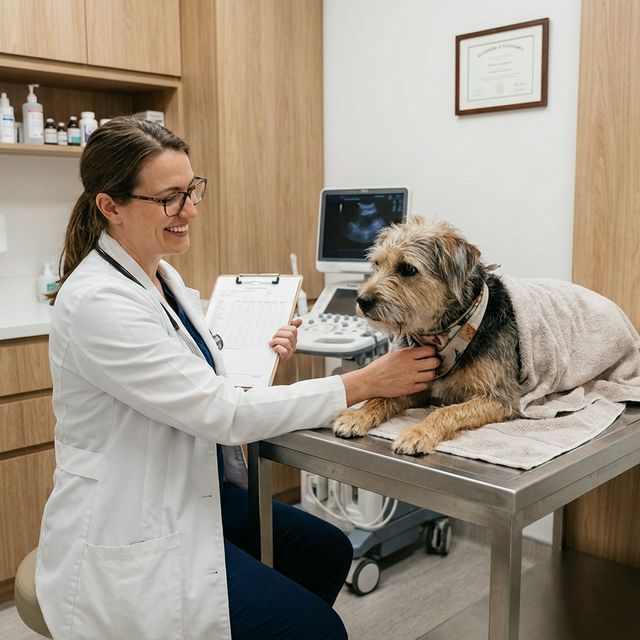
One of the most common questions pet owners ask is whether insurance covers pre-existing conditions. The short answer is: usually not. But the full picture is more nuanced.
What Is a Pre-Existing Condition?
A pre-existing condition is any health issue that:
- Showed symptoms before your policy started
- Was diagnosed before enrollment
- Occurred during the waiting period
- Appears in your pet’s veterinary records
Examples of Pre-Existing Conditions
| Condition Type | Examples |
|---|---|
| Chronic Illness | Diabetes, epilepsy, cancer |
| Orthopedic | Hip dysplasia, ACL tear |
| Allergies | Food allergies, atopic dermatitis |
| Previous Injuries | Healed broken bones, past surgeries |
| Symptoms | Limping, vomiting, lethargy (if documented) |
Curable vs Incurable Pre-Existing Conditions
Some insurers distinguish between two types:
Curable Conditions
Temporary issues that can fully resolve:
- Ear infections
- Urinary tract infections
- Upper respiratory infections
- Minor skin conditions
- Diarrhea/vomiting episodes
Key: May become covered after 12-18 months symptom-free
Incurable (Chronic) Conditions
Permanent conditions that never qualify for coverage:
- Diabetes
- Cancer
- Allergies
- Heart disease
- Arthritis
- Epilepsy
How Insurers Determine Pre-Existing Conditions
When you file a claim, insurers typically:
- Request Veterinary Records: Your pet’s complete medical history
- Review Prior Symptoms: Any related symptoms, even if undiagnosed
- Check Waiting Period: Issues during waiting periods are pre-existing
- Analyze Timelines: Compare diagnosis dates to policy effective date
What Gets Flagged
- “Limping noted” in records → Future ACL tear may be denied
- “Occasional vomiting” → Chronic GI issues may not be covered
- “Owner reports scratching” → Allergies may be excluded
Insurance Companies That May Cover Curable Conditions
| Provider | Curable Condition Policy |
|---|---|
| Embrace | Covered after 12 months symptom-free |
| Pets Best | Case-by-case review |
| Figo | May cover after waiting period |
| Nationwide | Limited coverage possible |
Note: Even “curable” coverage excludes chronic conditions like allergies or arthritis.
Strategies to Avoid Pre-Existing Condition Exclusions
1. Enroll Before First Vet Visit
The best strategy is getting insurance before your puppy or kitten sees a vet. This means no records exist to flag conditions.
2. Complete the Waiting Period
Most conditions that develop after the waiting period (14-30 days) are covered. Don’t rush to the vet for minor issues during this time unless necessary.
3. Provide Complete Records
Insurers will request records anyway. Providing them upfront builds trust and speeds claim processing.
4. Choose the Right Insurer
If your pet has a minor curable condition, choose an insurer that may cover it after a symptom-free period.
What Is Still Covered?
Even with pre-existing conditions, you get valuable coverage:
- ✅ New Accidents: Broken bones, lacerations, poisoning
- ✅ New Illnesses: Cancer, infections, organ disease
- ✅ Unrelated Conditions: Other body systems/organs
- ✅ Emergency Care: ER visits for new issues
Example: Dog with Pre-Existing Allergies
| Scenario | Covered? |
|---|---|
| Allergies treatment | ❌ No |
| Cancer diagnosis | ✅ Yes |
| Broken leg | ✅ Yes |
| Ear infection (new) | ✅ Yes |
| Skin hotspots | ❌ No (allergy-related) |
Bilateral Conditions: A Special Case
If your pet has a condition in one limb, insurers may exclude the same condition in the opposite limb:
- ACL tear in left knee → Right knee ACL may be excluded
- Hip dysplasia in left hip → Right hip coverage varies by insurer
Tip: Ask specifically about bilateral exclusions before enrolling.
Our Advice
- Don’t Delay: The longer you wait, the more conditions can develop
- Read the Fine Print: Understand bilateral and symptom-based exclusions
- Be Honest: Fraud leads to claim denials and policy cancellation
- Still Get Insurance: Even with pre-existing conditions, future protection is valuable
The best time to get pet insurance is today. Every day without coverage is another day a new condition could become pre-existing.
Frequently Asked Questions
Can I get pet insurance if my pet has a pre-existing condition?
Yes, you can still get pet insurance, but the pre-existing condition itself won't be covered. All other new conditions will still be eligible for coverage.
What counts as a pre-existing condition in pet insurance?
Any injury, illness, or symptom that occurred or showed signs before your policy's effective date or during the waiting period is considered pre-existing.
Do any pet insurance companies cover pre-existing conditions?
Most don't cover chronic pre-existing conditions, but some like Embrace may cover 'curable' conditions (ear infections, UTIs) if symptom-free for 12 months.