Disclosure: This post contains affiliate links. We may earn a commission at no extra cost to you. Our research is independent and unbiased.
Editorial Note: Cost data in this article is sourced from published veterinary industry reports (NAPHIA, AVMA, VPI). This is an informational resource, not veterinary or financial advice. For health concerns, consult a licensed veterinarian.
Parvo Treatment Cost 2026: Survival Rates & Hospital Prices
Canine parvovirus hospitalization costs $1,500–$3,000+. 2026 breakdown of ICU treatment costs, at-home care options, and prevention costs.

Pet Insurance Guide Research Team
Independent Analysts
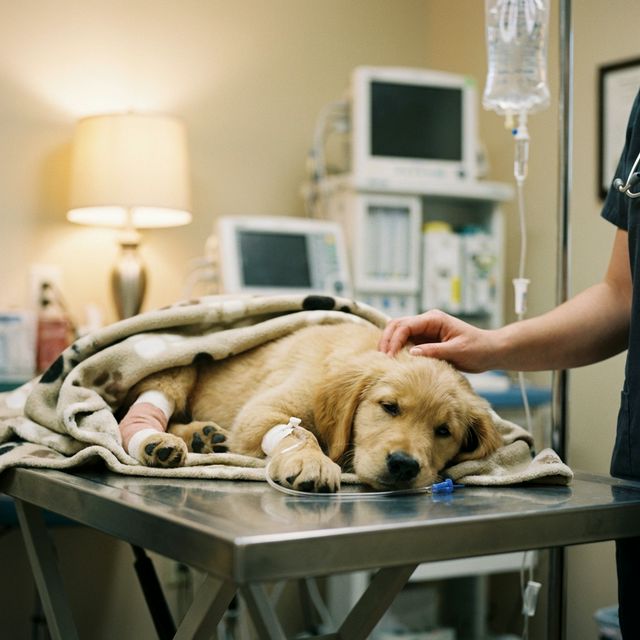
Canine Parvovirus (CPV) remains one of the most contagious and severe viral pathogens affecting young and unvaccinated dogs. The virus aggressively targets rapidly dividing cells in a canine’s body, particularly focusing on the gastrointestinal tract and bone marrow. This dual-pathway destruction impairs the animal’s ability to absorb nutrients, leads to severe vomiting and diarrhea (often containing blood), and compromises the immune system by wiping out white cells. Without prompt medical intervention, canine parvovirus is frequently fatal. However, veterinary data indicates that early detection combined with aggressive therapy yields high survival rates.
In 2026, treating a parvovirus infection involves significant financial planning. Industry reports note that average veterinary hospital costs for inpatient treatment are around $2,800, which can lead to difficult decisions for pet owners who face unexpected financial strain. Understanding the breakdown of these costs, treatment protocols, and options for financial management is critical for anyone caring for a young puppy.
2026 Cost Breakdown: The Hospital vs. Outpatient vs. At-Home Reality
Treatment protocols for canine parvovirus vary based on clinical severity and the owner’s budget. Inpatient hospitalization is considered the medical standard of care, but alternative protocols exist for cases with extreme financial limitations.
| Treatment Method | Est. Cost | Survival Rate |
|---|---|---|
| ”Gold Standard” Hospitalization | $2,000 – $5,000+ | 90% - 95% |
| Outpatient Protocol | $600 – $1,200 | 70% - 80% |
| Home Remedies Only | $50 – $100 | < 10% |
Veterinary data indicates that the “Gold Standard” inpatient hospitalization provides the highest probability of survival. This method involves several core clinical components that drive the overall cost:
- Isolation Ward Fees ($100+/day): Because canine parvovirus is highly contagious, infected patients must be housed in dedicated isolation wards. These fees cover the cost of stringent sanitation protocols and personal protective equipment (PPE) worn by veterinary staff to prevent cross-contamination.
- Continuous Intravenous (IV) Fluids ($150+/day): Severe dehydration is the primary driver of mortality in parvovirus patients. Continuous IV fluid therapy replenishes lost fluids and electrolytes, maintaining organ perfusion and blood pressure.
- Therapeutic Medications: Inpatient care utilizes parenteral medications, including antiemetics such as Cerenia (maropitant) to control vomiting, broad-spectrum antibiotics to combat secondary bacterial infections arising from a compromised intestinal barrier, and analgesics to manage severe abdominal pain.
Published surveys show that larger breeds, such as German Shepherds, Labrador Retrievers, Rottweilers, and Doberman Pinschers, typically require higher dosages of medication and larger volumes of intravenous fluids, which increases the overall cost of care. Additionally, research suggests that Rottweilers and Doberman Pinschers may exhibit increased susceptibility to severe clinical symptoms of parvovirus, potentially extending the required duration of hospital care and increasing costs.
The Outpatient Option: What You Need to Know
For cases where inpatient hospitalization is financially unfeasible, veterinary data indicates that a modified outpatient protocol, often adapted from protocols developed by Colorado State University, serves as a secondary alternative.
- Daily Veterinary Visits: Under an outpatient protocol, owners must transport the patient to a veterinary clinic daily. Clinicians administer subcutaneous fluids, long-acting injectable antibiotics, and anti-nausea medications.
- Intensive Home Care: The remaining care falls entirely on the owner. This includes administering oral medications, monitoring hydration status, syringe-feeding specialized diets, and maintaining strict disinfection protocols at home.
- Cost Comparison: Outpatient care is considerably cheaper than hospitalization, typically ranging from $600 to $1,200 (averaging around $800).
- Clinical Considerations: While outpatient treatment reduces costs, the survival rate drops to approximately 70% to 80%. This option is physically and emotionally demanding for caregivers and does not allow for immediate veterinary intervention if the patient’s condition deteriorates rapidly overnight.
Pet Insurance: The Lifesaver (With One Catch)
Pet insurance covering this condition can help offset costs — compare policy terms before purchasing. When a puppy is covered under a standard accident and illness policy, the majority of the emergency veterinary bills are typically eligible for reimbursement, subject to the policy’s deductible and co-insurance terms.
However, veterinary data indicates that policyholders must pay close attention to preventive care requirements. Insurance providers generally require adherence to standard veterinary guidelines for vaccinations.
- Vaccination Compliance: If a dog contracts parvovirus because an owner neglected scheduled booster vaccines, the claim may be denied under clauses relating to preventable conditions or negligence.
- Age and Series Completion: If a young puppy contracts parvovirus while in the middle of their initial vaccine series (which is typically not completed until approximately 16 to 20 weeks of age), insurance policies generally cover the treatment, provided the policy was active prior to the onset of symptoms and after any applicable waiting periods have cleared.
Frequently Asked Questions
How long does Parvo treatment take?
The critical window for parvovirus treatment generally spans 3 to 5 days. If a patient remains stable and receives adequate fluid support through this period, the likelihood of a full recovery increases significantly. Most patients show signs of clinical improvement, such as reduced vomiting and returning appetite, by the fifth day of therapy.
Is Canine Parvovirus contagious to humans?
Canine parvovirus is species-specific and does not pose a threat of infection to humans. It is, however, extremely contagious among dogs and highly resilient in the environment. The virus can survive on surfaces, soil, and clothing for months. Standard household cleaners are ineffective; disinfection requires a diluted bleach solution (typically 1 part bleach to 32 parts water) or specialized veterinary disinfectants.
Can Canine Parvovirus be prevented?
Yes, vaccination is highly effective in preventing parvovirus. Puppies should receive a series of combination vaccines (commonly DHPP or DA2PP) starting between 6 and 8 weeks of age, with boosters administered every 3 to 4 weeks until they reach at least 16 to 20 weeks of age. Puppies should not be allowed on public ground or near unvaccinated dogs until their vaccine series is fully complete.
Data Sources
- NAPHIA Annual Report
- AVMA Pet Industry Statistics
- Published veterinary cost surveys
Frequently Asked Questions
How much does it cost to treat parvo?
If you leave them in the isolation ward with us, you're looking at $1,500 to $3,500. Taking the outpatient route is cheaper—around $500 to $1,000—but it's exhausting and the survival odds drop.
Can a puppy survive parvo without a vet?
I'll be blunt: almost never. Without medical intervention, the mortality rate is over 90%. But if you get them to us and we aggressively treat them in the hospital, over 90% pull through.
Does pet insurance cover parvo?
Yes, standard accident and illness plans cover parvo. Just make sure your policy is active, the waiting periods have cleared, and you haven't skipped their scheduled vaccines.