Disclosure: This post contains affiliate links. We may earn a commission at no extra cost to you. Our research is independent and unbiased.
Editorial Note: Cost data in this article is sourced from published veterinary industry reports (NAPHIA, AVMA, VPI). This is an informational resource — not veterinary or financial advice. For health concerns, consult a licensed veterinarian.
Pet Insurance vs. Savings Account: The 'Inflation' Reality Check
The old 'Put $50 in a savings account' advice is dead. With 10% veterinary inflation, your savings can't keep up. We run the 2026 numbers.
Michael Torres
Financial Analyst
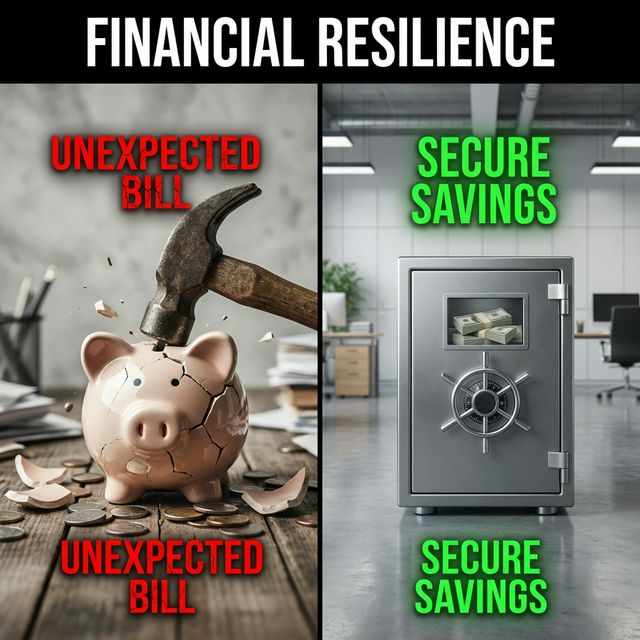
For years, a common piece of personal finance advice has been to bypass pet insurance entirely. Proponents of this approach suggest redirecting the monthly premium—typically estimated at $50 to $60—into a dedicated high-yield savings account. The rationale is simple: if the pet remains healthy, the owner retains the accumulated capital plus interest, whereas insurance premiums are sunk costs that yield no return if no claims are filed.
While this strategy may have been viable in 2015, the economic realities of veterinary care in 2026 have rendered it mathematically flawed. The combination of rapid veterinary medical advancement, corporate consolidation of clinics, and high veterinary price inflation has created a landscape where self-insuring through a savings account is no longer a reliable risk-mitigation strategy for the average pet owner.
The Dynamics of Veterinary Inflation
To understand why the self-insurance model fails, one must examine the rate of price increases in the veterinary sector. Historically, general consumer inflation hovers between 2% and 3% annually. However, veterinary services have consistently outpaced general inflation. In 2026, veterinary inflation is rising at an annual rate of 10% to 12%. Over the past decade, the average cost of veterinary care has increased by approximately 60%.
Several structural factors drive this trend. First, the veterinary industry has seen significant consolidation, with private equity firms and large corporations purchasing independent veterinary practices. Corporate ownership often leads to standardized pricing structures, optimized service margins, and higher overall fees for diagnostics and treatments. Second, veterinary medicine has advanced rapidly, mirroring human healthcare. Treatments such as magnetic resonance imaging (MRIs), oncology therapies, and complex orthopedic surgeries are now widely available for pets. While these advancements improve clinical outcomes and extend pet lifespans, they require sophisticated equipment and specialized training, which dramatically increases the cost of delivery.
Quantitative Comparison: Savings vs. Insurance
To evaluate the feasibility of the savings-only approach, we can model a five-year timeline. In this scenario, a pet owner deposits $60 per month into a dedicated high-yield savings account earning a competitive 4% annual percentage yield (APY), compounded monthly.
At the same time, we track the escalating cost of a common veterinary procedure: a cranial cruciate ligament (CCL or ACL) repair. As of 2026, the baseline cost of an ACL surgery for a medium-to-large dog is approximately $4,000. Assuming a veterinary inflation rate of 10% per year, the cost of this same procedure rises over time.
The table below illustrates the growing deficit between accumulated savings and the inflating cost of surgery over a five-year period:
| Timeline | Total Accumulated Savings (with 4% APY) | Inflated Cost of ACL Surgery (10% Annual Growth) | Deficit (Uncovered Risk Exposure) |
|---|---|---|---|
| Year 1 | $735 | $4,000 | -$3,265 |
| Year 3 | $2,300 | $4,840 | -$2,540 |
| Year 5 | $4,000 | $5,850 | -$1,850 |
This model demonstrates a critical vulnerability in the self-insurance strategy. In Year 1, if the pet requires surgery, the owner faces a deficit of $3,265. Even after five years of disciplined saving, the total accumulated balance of $4,000 is still $1,850 short of the inflated $5,850 cost of the procedure. A single major medical incident not only depletes the entire savings account but still leaves the owner with a substantial out-of-pocket balance.
Furthermore, this model assumes only one medical event occurs over five years. If a pet experiences multiple health issues—such as ingestions of foreign objects, chronic illnesses like diabetes, or dermatological conditions—the savings account will be exhausted repeatedly, leaving the pet owner permanently underfunded.
Risk Probability and Break-Even Analysis
A financial comparison must also account for the probability of occurrence. According to industry statistics, approximately 1 in 3 pets (33%) requires emergency veterinary care in any given year. Over a pet’s average lifespan of 10 to 15 years, the statistical probability of experiencing at least one catastrophic medical event approaches certainty.
From a risk-management perspective, insurance is designed to protect against high-severity, low-probability events. If a pet remains healthy for its entire life, the policyholder “loses” the total amount spent on premiums. However, if the pet experiences even one major clinical event—such as cancer treatment, which can easily range from $5,000 to $10,000, or a severe accident requiring hospitalization—the insurance payout quickly exceeds the cumulative premiums paid.
For example, if an owner pays $60 per month for insurance over 10 years, the total premium outlay is $7,200 (excluding premium inflation). If the pet develops a chronic condition or requires a major surgery costing $10,000, an insurance policy with a 90% reimbursement rate and a $250 deductible would cover $8,775 of the cost. In this scenario, the policyholder recovers more than their cumulative premium outlay in a single claim event, demonstrating the financial utility of transferring the risk.
The Hybrid Financial Model
Rather than viewing pet insurance and savings accounts as mutually exclusive options, pet owners can optimize their financial strategy by combining both tools. This hybrid approach leverages the strengths of each method to minimize costs while maintaining robust protection.
-
Catastrophic Coverage (High-Deductible Insurance): By selecting a higher deductible (e.g., $500 or $1,000) and a lower reimbursement level (e.g., 70% or 80%), owners can significantly reduce their monthly premiums. In many cases, this configuration drops the monthly premium to approximately $30. This policy acts as a safety net against catastrophic medical events, such as a major accident or a chronic illness requiring a $10,000 treatment plan, preventing devastating financial losses.
-
Predictable Savings (Routine Care Fund): The money saved on premiums (approximately $30 per month) should be deposited into a high-yield savings account. Because standard pet insurance policies typically do not cover routine wellness care—such as annual exams, vaccinations, dental cleanings, and flea and tick preventatives—or charge high premiums for wellness add-ons, using savings for these predictable expenses is more cost-effective.
This hybrid structure ensures that routine, expected costs are paid out of pocket from a dedicated fund, while unpredictable, high-cost medical emergencies are managed through insurance risk transfer.
Conclusion
Relying solely on a savings account to cover veterinary expenses exposes pet owners to significant financial risk, particularly in the early years of a pet’s life before savings have accumulated. Given that veterinary costs are rising at double the rate of general inflation, savings accounts cannot keep pace with the escalating cost of medical care.
A structured approach—using a high-deductible insurance policy to protect against catastrophic losses and a savings account to fund routine care—offers the most resilient and mathematically sound solution for managing pet healthcare costs in 2026.
Data Sources
- Veterinary Care Consumer Price Index (CPI): Bureau of Labor Statistics data tracking inflation trends in veterinary services relative to the broader economy.
- Industry Veterinary Practice Surveys: Financial reports analyzing the impact of corporate acquisitions and private equity consolidation on clinic pricing structures.
- Actuarial Pet Insurance Databases: Aggregated claims data detailing the annual probability of emergency veterinary visits and the average cost of common surgical procedures.
- High-Yield Savings Performance Data: Historical interest rate indices tracking annual percentage yields (APY) for digital banking platforms.
Frequently Asked Questions
Why not just save $50 a month?
Because a single ACL surgery costs $4,000. It would take you 6.5 years of saving $50/mo to afford that ONE surgery.
Do pet insurance premiums go up?
Yes, typically 5-10% per year due to age and inflation. But vet costs are rising even faster (60% in 10 years).