Disclosure: This post contains affiliate links. We may earn a commission at no extra cost to you. Our research is independent and unbiased.
Editorial Note: Cost data in this article is sourced from published veterinary industry reports (NAPHIA, AVMA, VPI). This is an informational resource — not veterinary or financial advice. For health concerns, consult a licensed veterinarian.
Golden Retriever Hip Dysplasia Surgery Cost 2026: Does Insurance Pay?
Hip dysplasia surgery for Golden Retrievers costs $3,500–$7,000. 2026 breakdown of THR vs FHO procedures, recovery timeline, and lifetime management costs.

Pet Insurance Guide Research Team
Independent Analysts
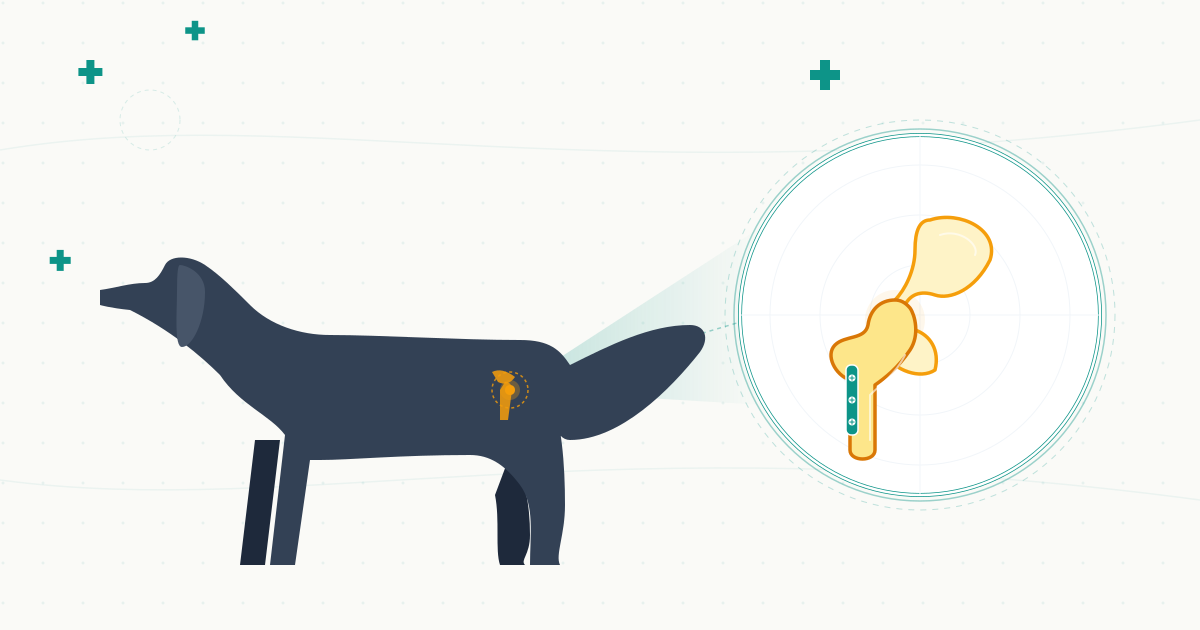
Golden Retrievers are widely recognized for their friendly demeanor, high intelligence, and active lifestyle. However, veterinary data indicates that this breed is genetically predisposed to hip dysplasia, a hereditary orthopedic condition that can severely impact their quality of life. Understanding the clinical nature of this condition, the associated surgical costs, and the nuances of pet insurance coverage is essential for owners planning the long-term health management of their dogs.
Hip dysplasia is an inherited structural malformation of the coxofemoral (hip) joint. In a healthy joint, the femoral head (the ball) fits smoothly inside the acetabulum (the socket), allowing fluid movement. In dogs affected by hip dysplasia, structural laxity prevents these components from fitting together tightly. This laxity leads to subluxation, causing the bones to grind against one another rather than glide. Over time, this constant friction deteriorates the articular cartilage, leading to chronic inflammation, joint degradation, and the early onset of painful osteoarthritis.
Clinical signs of hip dysplasia can manifest as early as four months of age in puppies, though some dogs do not show visible signs until later in life. Published surveys show that common symptoms include a distinct “bunny hopping” gait, stiffness after rest, reluctance to climb stairs or jump, a decreased range of motion, and visible muscle atrophy in the hindquarters. If left untreated, the condition causes significant, daily discomfort.
The Real Cost of Fixing Those Hips (2026)
When conservative medical management fails to provide adequate pain relief, surgical intervention is typically required. The financial commitment for these procedures is substantial. Veterinary cost data from specialty surgical centers details the standard pricing, recovery expectations, and clinical indications for the primary surgical options for a large-breed dog, such as a 75-pound Golden Retriever.
| Procedure | Cost Range (One Hip) | The Reality of Recovery | Who Needs It |
|---|---|---|---|
| Total Hip Replacement (THR) | $6,500 - $8,500 | 12-16 Weeks of strict crate rest and slow rehab. | The gold standard for young, active Goldens. The surgeon hollows out the pelvis and inserts a titanium and plastic joint. |
| FHO (Femoral Head Ostectomy) | $2,500 - $4,500 | 8-12 Weeks of aggressive physical therapy. | Budget option. The surgeon removes the head of the femur, allowing muscle and scar tissue to form a false joint. Not ideal for heavy dogs like Goldens. |
| Double Pelvic Osteotomy (DPO) | $4,000 - $6,000 | 8-10 Weeks. | Only works for puppies under 10 months before severe arthritis sets in. The surgeon cuts the pelvis in two places and rotates it to better cover the joint. |
| Pain Management | $150+/mo | The rest of their life. | Daily NSAIDs, joint supplements, and Librela injections to maintain basic comfort levels. |
Beyond the base cost of the surgical procedures, additional veterinary expenses must be factored into the overall budget. Diagnostic imaging, such as pre-operative CT scans or specialized orthopedic X-rays, typically adds $1,200 to the initial bill. Pre-surgical bloodwork, anesthesia management, and post-operative medications also contribute to the total. Furthermore, post-operative rehabilitation, including water treadmill therapy, generally costs approximately $100 per session and is highly recommended to ensure proper joint mobility and muscle recovery.
Why Claims Get Denied
Many owners purchase pet insurance policies to mitigate these substantial expenses, only to face claim denials. Insurance companies assess risk carefully, and orthopedic conditions like hip dysplasia are among the most expensive claims to process. Understanding the policy terms and common exclusions is critical to avoiding unexpected out-of-pocket costs.
1. The Orthopedic Waiting Period
While standard illness and injury coverage may begin within 14 days of policy activation, many policies include a specific waiting period for orthopedic conditions. Published surveys show that policy terms frequently require a 6-month to 12-month waiting period specifically for cruciate ligament issues and hip dysplasia. If a dog displays any symptoms—such as a minor limp or an unusual gait—and this is documented in the medical records before the waiting period ends, the condition is classified as pre-existing. Consequently, any subsequent claims for hip dysplasia treatment will be permanently denied.
2. The Bilateral Exclusion Clause
Because hip dysplasia is a bilateral condition that typically affects both hips, many policies include a bilateral exclusion clause. Under this clause, if a dog is diagnosed with hip dysplasia or exhibits symptoms in one hip (for example, the left hip) prior to the inception of the policy or during the waiting period, the entire condition is deemed pre-existing. This means that if the second hip (the right hip) subsequently deteriorates, any claims for the second hip will also be denied, as the insurer treats both joints as a single pre-existing orthopedic condition.
Clinical and Financial Evaluation: Is Insurance Worth It?
For owners of Golden Retrievers, evaluating the cost-benefit ratio of pet insurance is highly recommended. Veterinary data indicates that the lifetime treatment cost for a dog requiring bilateral Total Hip Replacement can range from $15,000 to $18,000.
In comparison, the monthly premium for a comprehensive policy for a Golden Retriever typically ranges from $60 to $80. A single major orthopedic surgery can easily exceed the lifetime cumulative cost of these monthly premiums. However, to secure coverage, the policy must be established early in the dog’s life—ideally at 8 weeks of age—before any clinical signs are observed or recorded. Pet insurance covering this condition can help offset costs — compare policy terms before purchasing. Some policy terms permit the waiver of the standard 6-month orthopedic waiting period if a licensed veterinarian performs a comprehensive orthopedic exam within the first 30 days of the policy and documents healthy joints.
Frequently Asked Questions
How much does hip dysplasia surgery cost for a Golden Retriever?
The cost of surgery depends on the chosen procedure. A Total Hip Replacement (THR) costs between $6,500 and $8,500 per hip. A Double Pelvic Osteotomy (DPO) ranges from $4,000 to $6,000. A Femoral Head Ostectomy (FHO) costs between $2,500 and $4,500 per hip. Additional diagnostic imaging, anesthesia, and rehabilitation therapies can add several thousand dollars to the total.
Does pet insurance cover hip dysplasia?
Yes, most pet insurance policies cover hip dysplasia, provided the policy is active before the dog exhibits any symptoms or receives a diagnosis. However, policy terms often include orthopedic waiting periods of 6 to 12 months. Pet insurance covering this condition can help offset costs — compare policy terms before purchasing.
What is the bilateral exclusion clause in pet insurance?
The bilateral exclusion clause is a policy term stating that if a bilateral condition (a condition affecting matching parts on both sides of the body, such as the hips or knees) is diagnosed on one side before the policy is active or during the waiting period, the matching part on the other side will also be excluded from coverage as a pre-existing condition.
Data Sources
- NAPHIA Annual Report
- AVMA Pet Industry Statistics
- Published veterinary cost surveys
Frequently Asked Questions
How much is hip dysplasia surgery for a Golden?
Total Hip Replacement (THR) runs about $6,500 to $8,500 per hip. FHO is cheaper ($2,500-$4,500) because the surgeon literally chops off the head of the femur and lets scar tissue form a false joint, but for a big 75-pound Golden, it's rarely the right call.
Does pet insurance cover hip dysplasia?
Yes, but here is the catch that gets everyone—most companies make you wait 6 to 12 months for anything orthopedic. If your pup shows even a hint of a limp or "bunny hops" before that waiting period is up, they'll stamp "pre-existing" on your file and deny the claim.
What is the 'Bilateral Exclusion' clause?
This is the insurance company's favorite loophole. If your Golden's left hip goes bad before your coverage kicks in, they will often refuse to pay when the right hip inevitably fails a year later. They count both hips as one big pre-existing condition.