Disclosure: This post contains affiliate links. We may earn a commission at no extra cost to you. Our research is independent and unbiased.
Editorial Note: Cost data in this article is sourced from published veterinary industry reports (NAPHIA, AVMA, VPI). This is an informational resource — not veterinary or financial advice. For health concerns, consult a licensed veterinarian.
Emergency Vet Costs 2026: What to Expect and How to Prepare
Vet tech guide to emergency clinic bills in 2026. See the real costs of common pet emergencies, what you're paying for, and how to avoid economic...

Pet Insurance Guide Research Team
Independent Analysts
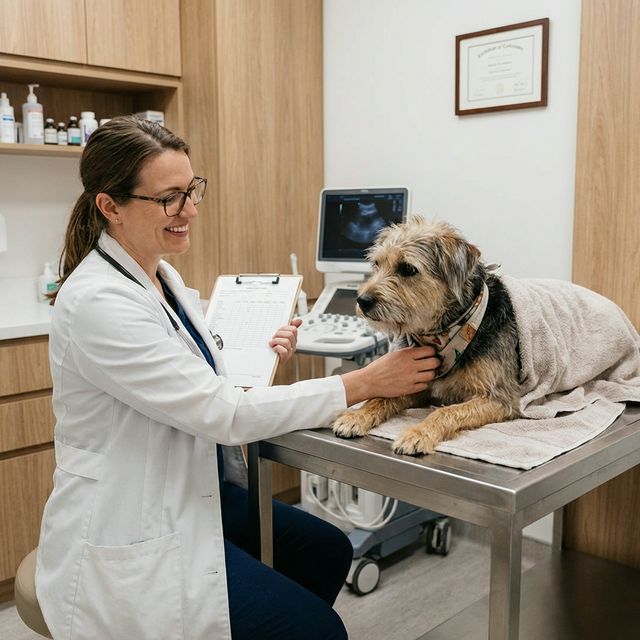
Pet owners report that facing a veterinary emergency is one of the most stressful aspects of pet ownership. Whether a dog is in acute distress or a cat has a urethral blockage, seeking emergency care often brings immediate financial concern. Veterinary data shows that critical care costs can escalate rapidly.
Published surveys indicate that emergency veterinary bills in 2026 reflect the advanced nature of animal medicine and the high operational costs of 24-hour clinics. Understanding these charges, the reasons behind the pricing structure, and financial preparation strategies can help pet owners navigate crises effectively.
What You’re Paying For: The ER Bill Breakdown
Basic Emergency Components
| Service | Cost Range |
|---|---|
| Emergency Exam Fee | $150 - $500 |
| Triage/Assessment | $50 - $150 |
| IV Fluids | $50 - $200 |
| Blood Work | $100 - $300 |
| X-rays | $150 - $400 |
| Ultrasound | $300 - $600 |
| Hospitalization (per night) | $500 - $2,000 |
| Medications | $50 - $500 |
Common Emergencies & The Dirty Details
| Emergency | What’s Actually Happening | Average Cost | Range |
|---|---|---|---|
| Foreign Object | Surgical removal of objects (e.g., socks or toys) from the stomach or intestines to prevent tissue necrosis. | $1,800 | $500 - $5,000 |
| Hit by Car | Stabilizing shock, managing internal hemorrhaging, and surgically repairing fractured bones. | $3,500 | $1,000 - $10,000+ |
| Bloat (GDV) | Emergency surgery to untwist the stomach and perform gastropexy to prevent recurrence. | $5,000 | $3,000 - $8,000 |
| Toxin Ingestion | Inducing emesis, administering activated charcoal, and running IV fluids after toxin ingestion. | $1,200 | $300 - $3,000 |
| Broken Bone | Setting fractures under sedation or performing orthopedic surgery with plates and screws. | $2,500 | $1,000 - $5,000 |
| Urinary Blockage | Sedation and urinary catheterization to relieve life-threatening blockages in the urethra. | $2,000 | $1,500 - $3,500 |
| Seizures | Administering intravenous anticonvulsants to control seizures and performing diagnostic blood work. | $1,500 | $500 - $3,000 |
| Difficulty Breathing | Providing immediate oxygen therapy and performing thoracocentesis to remove chest fluid or air. | $1,800 | $500 - $4,000 |
| Severe Vomiting/Diarrhea | Providing intravenous fluid resuscitation, administering antiemetics, and testing for parvovirus. | $800 | $300 - $2,000 |
| Eye Injury | Fluorescein staining to diagnose ulcers or surgical enucleation for severe trauma. | $600 | $200 - $1,500 |
Why Emergency Vet Care Costs So Much
Emergency veterinary fees reflect the high cost of maintaining constant medical readiness:
- Continuous Operations: Staffing clinics 24/7/365 with veterinarians, technicians, and support personnel during nights, weekends, and holidays creates substantial overhead.
- Specialized Equipment: Emergency hospitals maintain on-site advanced diagnostics (CT, ultrasound) and sterile surgical suites prepared for immediate use.
- Advanced Training: Staff are specialized in critical care, trauma triage, and emergency stabilization.
Cost Case Studies: Representative Bills
These scenarios illustrate typical billing components for common emergency treatments:
Case 1: Chocolate Toxicity (Labrador)
A dog presenting after dark chocolate ingestion required induced emesis, activated charcoal administration, diagnostic blood panels, and four hours of intravenous fluid therapy.
- Emergency exam: $250
- Induced vomiting: $150
- Activated charcoal: $100
- Blood work: $200
- IV fluids (4 hours): $300
- Monitoring: $300
- Total: $1,300
Case 2: Cruciate Ligament Tear (Mixed Breed)
A dog presenting with acute hind-limb lameness required a Tibial Plateau Leveling Osteotomy (TPLO) to stabilize the knee joint.
- Emergency exam: $300
- X-rays: $350
- Pain management: $150
- Surgeon consult: $200
- TPLO Surgery: $3,500
- Hospitalization (2 nights): $1,200
- Post-op meds: $200
- Total: $5,900
Case 3: Cat Urinary Blockage (Male Cat)
A male cat presenting with life-threatening urethral obstruction required sedation, catheterization, blood work, intravenous fluids, and two nights of supportive hospitalization.
- Emergency exam: $275
- Catheterization: $350
- Blood work: $250
- IV fluids (48 hours): $600
- Hospitalization (2 nights): $1,000
- Medications: $175
- Total: $2,650
Financial Preparation Strategies
1. Pet Insurance
Comprehensive pet insurance policies can offset these costs — verify coverage terms before purchase. For example, a policy with a $500 deductible and 80% reimbursement reduces a $3,000 bill to $1,000 out of pocket.
Coverage must be established before an emergency, as pre-existing conditions are excluded. Key features to evaluate:
- Direct Hospital Payment: Allows the insurer to pay the clinic directly, reducing upfront costs.
- No Annual/Lifetime Caps: Ensures coverage continues during prolonged or severe care.
- Exam Fee Coverage: Reimburses base emergency exam fees, which some policies exclude.
2. Veterinary Financing Options
Many clinics accept specialized credit cards or financing plans. These programs often feature interest-free promotional periods, allowing owners to pay off bills over time.
3. Dedicated Pet Savings Accounts
Without insurance, maintaining a dedicated emergency fund of at least $3,000 is recommended. This fund should remain separate from routine care budgets.
Distinguishing Urgent from Non-Urgent Symptoms
Pet owners can manage costs by recognizing which medical situations require immediate emergency care.
Immediate Emergency Care:
- Difficulty breathing (gasping, pale or blue gums)
- Unconsciousness, collapse, or inability to stand
- Active bleeding that does not stop with pressure
- Suspected fractures or non-weight-bearing limping
- Hard, bloated abdomen, particularly with unproductive vomiting
- Inability to urinate, especially in male cats
- Seizures lasting over three minutes
- Ingestion of toxins (lily plants, antifreeze, rat poison, chocolate)
Can Wait for Regular Clinic Hours:
- Minor limping where the animal can bear weight
- Mild vomiting (once or twice) while remaining alert
- Superficial cuts or abrasions
- Mild diarrhea without blood, if still eating and drinking
- Minor eye redness without squinting or rubbing
Financial Readiness Steps
Veterinary organizations recommend taking these steps before an emergency:
- Save contact details and the address of the nearest 24-hour emergency clinic.
- Keep the Pet Poison Helpline number handy: (855) 764-7661.
- Establish a pre-determined financial plan to avoid treatment delays.
Frequently Asked Questions
How much does an emergency vet visit cost?
Veterinary data shows triage and exam fees range from $150 to $500. With diagnostics, imaging, or overnight stays, costs range from $1,000 to over $5,000.
Why are emergency vets so expensive?
Emergency clinics operate 24/7/365, requiring continuous staffing during nights, weekends, and holidays. Maintaining advanced equipment ready for immediate use also incurs high overhead costs.
Does pet insurance cover emergency vet visits?
Comprehensive pet insurance policies can offset these costs — verify coverage terms before purchase. Once the deductible is met, policies generally reimburse diagnostic, surgical, and hospitalization costs.
Data Sources
- NAPHIA Annual Report
- AVMA Pet Industry Statistics
- Published veterinary cost surveys
Frequently Asked Questions
How much does an emergency vet visit cost?
Just walking through the doors of an ER and getting a basic triage exam will usually cost you between $150 and $500. If your pet needs x-rays, bloodwork, or overnight care, you're quickly looking at a bill ranging from $1,000 to over $5,000.
Why are emergency vets so expensive?
Because we never close. Keeping a fully stocked hospital running at 3 AM on a holiday—with specialized surgeons, oxygen cages, advanced imaging, and an exhausted but dedicated staff—costs a massive amount of money to maintain.
Does pet insurance cover emergency vet visits?
Yes, thank goodness. Once you hit your deductible, a solid policy handles the heavy lifting for exams, diagnostics, life-saving surgeries, and those pricey overnight stays in the ICU.