Dogs vs Cats Insurance: Which Costs More? 2025 Data Analysis
Data shows dogs cost 60% more to insure than cats. Complete breakdown of premiums, claims, and coverage differences by pet type.

Dr. Sarah Chen
Veterinarian & Pet Health Expert
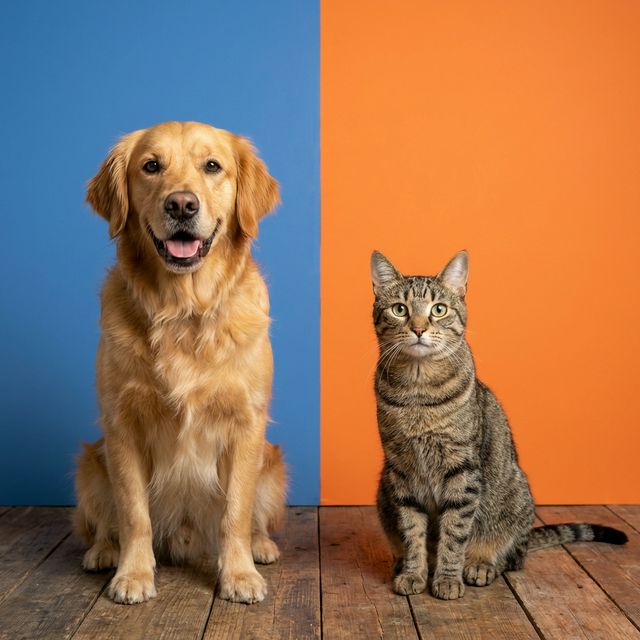
Dogs dominate pet insurance, but cats are gaining ground. Here’s what the data reveals about insuring dogs vs cats.
Market Share: Dogs Dominate
| Pet Type | Market Share | Insured Count | Penetration |
|---|---|---|---|
| Dogs | 75.6% | 4.84 million | 5.5% |
| Cats | 23.5% | 1.50 million | 2.0% |
| Other | 0.9% | ~60,000 | <0.1% |
US data, year-end 2024 | Source: NAPHIA
Premium Comparison
| Coverage Level | Dog Monthly | Cat Monthly | Difference |
|---|---|---|---|
| Basic Accident | $12 | $8 | +50% |
| Standard A&I | $22 | $14 | +57% |
| Comprehensive | $45 | $28 | +61% |
| Premium Unlimited | $65 | $40 | +63% |
Average Difference: Dogs cost 57-63% more
Why Dogs Cost More
1. Higher Vet Spending
| Category | Dogs | Cats |
|---|---|---|
| Annual Surgical Visits | $458 | $201 |
| Annual Routine Visits | $367 | $178 |
| Emergency Likelihood | Higher | Lower |
2. Size Matters
- Larger dogs = higher medication doses
- Bigger surgical procedures
- More X-rays, longer anesthesia
3. Activity & Risk
- Dogs more prone to accidents
- Outdoor exposure higher
- Ingested objects more common
Claim Costs by Pet Type
| Condition | Dogs | Cats | Higher For |
|---|---|---|---|
| Cancer | $3,800 | $4,100 | Cats (+8%) |
| Foreign Body | $3,500 | $3,400 | Dogs (+3%) |
| Broken Bones | $2,300 | $2,700 | Cats (+17%) |
| Diabetes | $1,900 | $2,700 | Cats (+42%) |
| Heart Issues | $1,400 | $1,200 | Dogs (+17%) |
| UTI | $1,100 | $400 | Dogs (+175%) |
| Arthritis | $500 | $700 | Cats (+40%) |
Insight: Cats have higher costs for chronic conditions (diabetes, arthritis, broken bones).
Breed Premium Variation
Most Expensive Dogs to Insure
| Breed | Annual Premium |
|---|---|
| Mastiff | $2,546 |
| English Bulldog | $1,800 |
| French Bulldog | $1,650 |
| Rottweiler | $1,450 |
Most Expensive Cats to Insure
| Breed | Annual Premium |
|---|---|
| Ragdoll | $420 |
| Maine Coon | $400 |
| Persian | $380 |
| Bengal | $360 |
Gap: Most expensive dog costs 6x most expensive cat.
Age Factor Comparison
Dog Insurance by Age
| Age | Monthly Premium |
|---|---|
| Puppy | $18 |
| 2 years | $22 |
| 5 years | $35 |
| 10 years | $75 |
Cat Insurance by Age
| Age | Monthly Premium |
|---|---|
| Kitten | $12 |
| 2 years | $14 |
| 5 years | $18 |
| 10 years | $35 |
Cats age more favorably for insurance pricing.
The Case for Cat Insurance
Despite lower premiums and penetration:
Why Cat Owners Should Consider Insurance
-
Longer Lifespan
- Cats live 12-18+ years
- More opportunity for chronic conditions
- Senior care expensive
-
Hidden Health Issues
- Cats hide pain
- Late diagnosis = advanced treatment
- Kidney disease common in seniors
-
Affordable Premiums
- $14/month average
- High value for chronic care coverage
- Pays off for diabetes, kidney disease
Penetration Gap Analysis
| Metric | Dogs | Cats |
|---|---|---|
| Owned (households) | 68 million | 49 million |
| Insured | 4.84 million | 1.50 million |
| Penetration | 5.5% | 2.0% |
Cat insurance has massive growth potential—if penetration matched dogs, 2.7 million more cats would be insured.
Recommendation by Pet Type
For Dog Owners
- Insure early (breed matters significantly)
- Choose higher limits ($15K-$30K/year)
- Consider wellness add-on for preventive care
For Cat Owners
- Excellent value at $14-28/month
- Focus on chronic illness coverage
- Consider insuring before age 7
Related Articles
Data sources: NAPHIA 2025 Report, APPA Pet Ownership Survey, Forbes Advisor
Frequently Asked Questions
Is dog insurance more expensive than cat insurance?
Yes, dogs cost about 60% more to insure. Average dog insurance is $22/month vs $14/month for cats with similar coverage.
Why are there more insured dogs than cats?
Dogs represent 75.6% of insured pets vs 23.5% for cats. Dogs have higher vet costs on average and owners perceive greater healthcare needs.
Do cats need pet insurance?
Yes—cat insurance penetration is only 2%, yet cats live longer and develop expensive conditions like kidney disease, diabetes, and hyperthyroidism in senior years.