Disclosure: This post contains affiliate links. We may earn a commission at no extra cost to you. Our research is independent and unbiased.
Editorial Note: Cost data in this article is sourced from published veterinary industry reports (NAPHIA, AVMA, VPI). This is an informational resource — not veterinary or financial advice. For health concerns, consult a licensed veterinarian.
Dog Teeth Cleaning Cost 2026: Anesthesia vs. Non-Anesthetic
Vet tech guide to dog teeth cleaning costs in 2026. Learn why professional cleanings cost $500–$1,000 and why 'awake' dentals are a dangerous scam.

Pet Insurance Guide Research Team
Independent Analysts
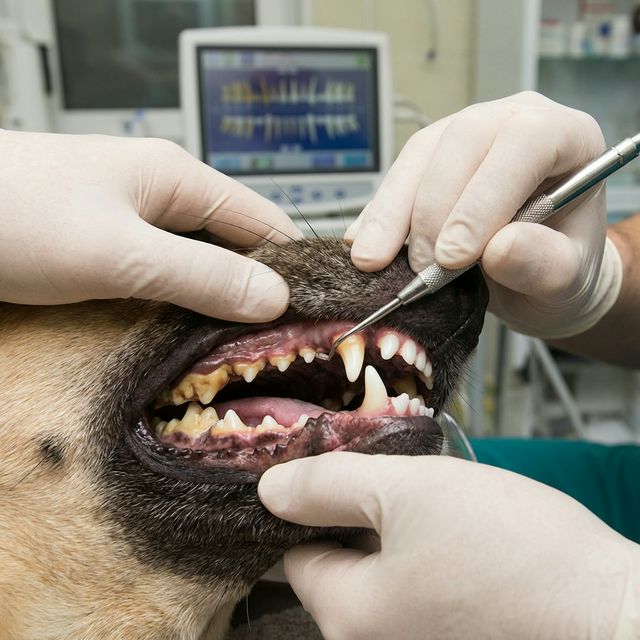
Veterinary data shows that periodontal disease is the most common clinical condition in adult dogs, affecting approximately 80% of dogs by age three. Left untreated, plaque calcifies into tartar, requiring a professional veterinary dental cleaning, or Comprehensive Oral Health Assessment and Treatment (COHAT).
Published cost surveys indicate that in 2026, pet owners typically encounter an average cost of $750 for a professional cleaning. Because this procedure requires general anesthesia, final costs vary based on size, age, and disease severity.
The 2026 Reality: What Are You Actually Paying For?
A professional cleaning reflects the medical resources and safety protocols required. The base price typically covers anesthesia, scaling, and polishing, while diagnostics and extractions add to the total.
| Component | Est. Cost | Explanation |
|---|---|---|
| Base Cleaning (Anesthesia, Scaling, Polishing) | $400 – $800 | General anesthesia is required to safely scale tartar from the teeth and polish the enamel. |
| Dental X-Rays | $150 – $250 | Radiographs are essential to identify bone loss and infection hidden beneath the gumline. |
| Pre-Op Bloodwork | $80 – $150 | Diagnostic blood tests assess liver and kidney function to ensure the patient can safely metabolize anesthesia. |
| Extractions (Pulling Teeth) | $50 – $150+ per tooth | Surgical removal of diseased teeth, requiring local nerve blocks, bone drilling, and sutures. |
-
Base Cleaning, Anesthesia, and Monitoring: General anesthesia is required to scale tartar from all tooth surfaces, including subgingival areas, and polish the enamel. An endotracheal tube protects the airway from inhaled water and bacteria during scaling, while veterinary staff continuously monitor vital signs.
-
Dental Radiographs (X-Rays): Since 60% of a dog’s tooth structure lies beneath the gumline, visual inspection cannot detect bone loss, abscesses, or root disease. Radiographs are essential to diagnose and treat these hidden, painful conditions.
-
Pre-Operative Blood Screening: Pre-operative bloodwork evaluates red and white blood cells, platelets, and liver and kidney markers. This safety check ensures the dog can safely metabolize and excrete the anesthetic agents.
-
Surgical Extractions: When advanced disease destroys a tooth’s support structure, surgical extraction is necessary. This involves local nerve blocks, creating a gum flap, sectioning roots, drilling bone, and suturing the socket.
Pet owners typically encounter two primary cost scenarios:
- Scenario A (Routine Cleaning): A young dog with mild tartar requiring only a basic cleaning, radiographs, and anesthesia. The typical cost is approximately $600.
- Scenario B (Advanced Dental Surgery): A senior dog with severe periodontal disease requiring radiographs, extensive scaling, and multiple surgical extractions. Postoperative recovery typically involves soft food for 7 to 14 days, along with pain medications and antibiotics, bringing the total cost to $1,500 or more.
The “Awake” Dental Scam: Why Anesthesia is Mandatory
Many pet owners consider “non-anesthetic” or “awake” cleanings due to fear of anesthesia. However, professional veterinary dental organizations warn that awake dentals are purely cosmetic and medically ineffective:
- No Subgingival Cleaning: Periodontal disease exists beneath the gumline. Scaling this area requires sharp instruments that cannot be used safely on an awake, moving animal.
- No Airway Protection: Scaling sprays water and bacteria. Without an intubated airway, the dog risks aspirating fluid, potentially causing aspiration pneumonia.
- No Diagnostic Capability: Awake pets cannot tolerate dental radiographs, leaving root abscesses and bone loss undetected.
- Severe Stress: Physical restraint and dental scraping cause high stress and pain.
- False Security: White teeth mask ongoing bone decay, leading to untreated pain and eventual jaw fractures.
Can Pet Insurance Save You From the Bill?
Dental coverage depends on the policy type. Standard accident and illness policies exclude routine cleanings, which require a wellness add-on that typically reimburses around $150.
For unexpected injuries, such as a tooth fractured on a hard object, standard policies generally cover diagnostics, extractions, and pain medications.
Coverage for chronic dental illnesses, like periodontal disease, varies. Some policies cover treatments if the owner provides proof of annual veterinary exams, while others exclude dental illness entirely or require a specific rider. Pet insurance policies covering this condition can significantly reduce out-of-pocket costs — compare waiting periods and condition exclusions before purchasing.
Your Questions, Answered Honestly
How often does a dog require a professional dental cleaning?
Frequency depends on breed, size, and home care. Toy and small breeds (e.g., Yorkshire Terriers, Chihuahuas, Dachshunds) have crowded teeth that trap debris, often requiring cleanings every 6 to 12 months. Large breeds typically need cleanings every 1 to 2 years.
Is general anesthesia safe for older dogs?
Age is not a disease. Anesthesia is safe for senior dogs when pre-anesthetic blood screening confirms normal organ function. Veterinarians customize protocols and monitor vitals closely. Leaving severe dental disease untreated is riskier, as chronic infection can damage the heart, liver, and kidneys.
Data Sources
- NAPHIA Annual Report on Pet Insurance
- AVMA Pet Industry Statistics
- Published veterinary cost surveys
Frequently Asked Questions
How much is dog teeth cleaning?
A proper professional cleaning under anesthesia averages $750. If we have to do surgical extractions for rotting teeth, that bill can easily climb over $1,500.
Is non-anesthetic cleaning good?
Absolutely not. It's a cruel scam that only scrapes the visible tooth, misses the painful disease hiding under the gums, and terrifies your dog.
Does insurance cover dental cleaning?
Standard accident/illness policies don't cover routine cleanings—you'd need a wellness add-on for a small reimbursement. They do cover broken teeth, and some will cover gum disease if you haven't skipped your annual vet exams.