Disclosure: This post contains affiliate links. We may earn a commission at no extra cost to you. Our research is independent and unbiased.
Editorial Note: Cost data in this article is sourced from published veterinary industry reports (NAPHIA, AVMA, VPI). This is an informational resource — not veterinary or financial advice. For health concerns, consult a licensed veterinarian.
Bearded Dragon Insurance Cost: MBD & Vet Bills Explained
Vet tech review of bearded dragon insurance in 2026. Why specialists charge $1,500 for MBD or impaction, and how Nationwide can save your lizard's ...

Pet Insurance Guide Research Team
Independent Analysts
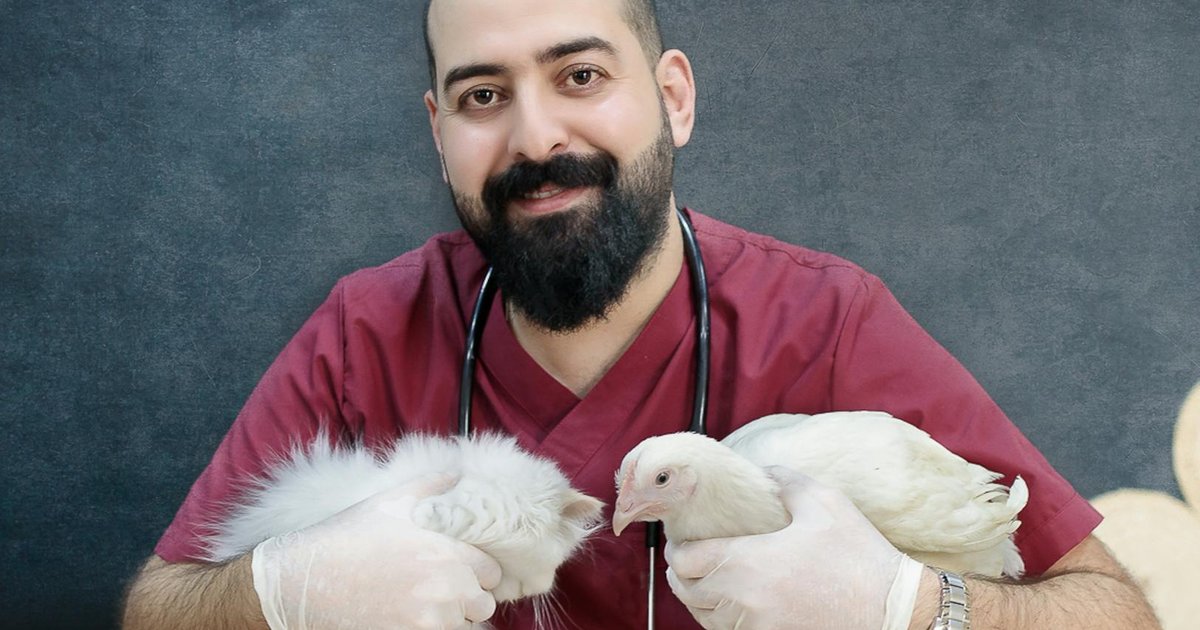
Data shows that bearded dragons (Pogona vitticeps) are among the most popular reptile companions globally, valued for their docile temperaments and unique behaviors like arm-waving and head-bobbing. However, veterinary research notes that owners are often unprepared for specialized medical costs. While a bearded dragon may be purchased for $50 at a pet store, the long-term expenses of veterinary treatment can be significant.
Exotic veterinarians are highly trained specialists who operate with delicate anesthesia, miniature diagnostics, and a narrow margin for error. Consequently, specialist veterinary fees can quickly accumulate. Published surveys indicate that many reptile owners face unexpected expenses when emergency care is required. Understanding these conditions and their associated costs is essential for responsible ownership.
Understanding Reptile Healthcare Costs
Reptiles have unique ectothermic physiology, meaning their health depends directly on environmental conditions like temperature, humidity, and UVB exposure. Poor husbandry can cause chronic illness, necessitating specialist care. Exotic animal clinics require high-resolution radiography, micro-hematology, and precise incubators. Consequently, standard examination, diagnostic, and surgical fees are often comparable to or higher than those of traditional household pets.
The Big Heartbreak: Metabolic Bone Disease (MBD)
Metabolic Bone Disease (MBD) is a common, preventable condition in captive bearded dragons. Veterinary research notes that MBD is primarily caused by improper husbandry, specifically a lack of appropriate UVB radiation and dietary calcium. Bearded dragons require UVB light to synthesize Vitamin D3 for calcium absorption. If the UVB bulb is not replaced every six months, its output degrades, preventing calcium synthesis.
Without adequate calcium, the parathyroid glands extract calcium directly from the skeleton, leading to fibrous osteodystrophy (softening of the jaw and limbs), pathological fractures, muscle tremors, and hind-limb paralysis.
- The Treatment: Reversing severe MBD requires diagnostic radiographs to assess bone density, deep-muscle calcium injections, fluid therapy, and dietary supplementation. Because affected reptiles often cannot chew, syringe-feeding a liquid critical-care diet is necessary, along with hospitalization in temperature-controlled incubators.
- The Cost: $800 - $1,500. Data shows that the high cost of emergency care can lead to difficult decisions for owners lacking veterinary coverage.
Other Common and Expensive Reptile Emergencies
Beyond Metabolic Bone Disease, bearded dragons are susceptible to several acute medical emergencies.
Impaction (Gastrointestinal Blockage)
Bearded dragons explore by tasting objects, leading to accidental ingestion of loose substrate like sand or walnut shells. This material can build up in the gut and create a blockage. If warm baths, abdominal massage, and mineral oil enemas fail, emergency coelomic surgery (enterotomy) is necessary.
- The Cost: $1,200. This covers pre-surgical diagnostics, anesthesia, surgical removal, and post-operative pain management.
Respiratory Infection (Pneumonia)
Bearded dragons require low humidity (30% to 40%) and high basking temperatures. Excessive humidity or cold temperatures compromise their immune systems, causing fluid buildup in the lungs. Symptoms include pointing the nose upward (“star-gazing”) to breathe, open-mouth breathing, and nasal discharge.
- The Cost: $300. Treatment requires diagnostic cultures, systemic antibiotics, and nebulization therapy.
Tail Rot (Dry Gangrene)
Incomplete shedding (dysecdysis) can leave retained skin that constricts the tail tip, cutting off circulation. The tissue becomes necrotic and turns black. To prevent infection from spreading systemically and causing sepsis, surgical amputation under anesthesia is required.
- The Cost: $600. This covers surgical amputation, sutures, and post-operative antibiotics.
The “Peace of Mind” Solution: Insurance Options (2026)
The exotic pet insurance market is specialized, but policies can be critical for managing unexpected medical fees. If a pet owner cannot comfortably cover a major veterinary bill upfront, pet insurance can help offset these costs — compare coverage terms before purchasing.
Comprehensive Accident and Illness Policies
Pet insurance can help offset these costs — compare coverage terms before purchasing. For a monthly premium of $15 to $25, these plans reimburse owners for a significant percentage of veterinary bills after a deductible is met. Covered expenses generally include emergency surgery, diagnostic testing, prescription medications, and specialist consultations for acute conditions like Metabolic Bone Disease or impactions.
Veterinary Discount Programs
Pet insurance can help offset these costs — compare coverage terms before purchasing. Some providers offer discount networks rather than traditional insurance. For a monthly fee around $10, these memberships provide a fixed discount (such as 25%) on services at participating clinics. While these programs help reduce out-of-pocket expenses, they do not offer the comprehensive reimbursement structure of standard insurance policies.
Frequently Asked Questions
Do I really need a specialist vet?
Yes. Bearded dragons are exotic animals with unique anatomy and physiology. General dog and cat veterinarians may not have the specialized training, microscopic tools, or diagnostic equipment required to treat reptiles. Board-certified exotics veterinarians or members of the Association of Reptilian and Amphibian Veterinarians (ARAV) are recommended.
Does insurance cover my UVB bulbs and tank setup?
No. Standard pet insurance covers diagnostic tests, surgeries, medications, and treatments for unexpected illnesses or accidents. Routine husbandry expenses—including enclosures, heating elements, UVB light fixtures, substrate, and diet—are the owner’s responsibility and are not covered under these policies.
Are pre-existing conditions covered?
No. Like standard dog and cat policies, exotic pet insurance plans do not cover conditions that were diagnosed or showed symptoms before the policy’s start date or during the waiting period. If a bearded dragon is already showing signs of Metabolic Bone Disease, treatment for that condition will be excluded, highlighting the importance of securing coverage early.
Data Sources
- NAPHIA Annual Report
- AVMA Pet Industry Statistics
- Published veterinary cost surveys
Frequently Asked Questions
Can you insure a lizard?
You sure can. [Nationwide](/posts/nationwide-exotic-pet-insurance/) is the main player for reptiles. It usually runs about $12 to $25 a month—worth every penny when you see specialist vet prices.
What is the most common illness?
Metabolic Bone Disease (MBD), hands down. If your UVB bulb gets old, their bones literally turn to rubber. Fixing it means injections, hospitalization, and bills up to $1,500.
Is it worth it for a $50 lizard?
Listen, the X-ray machine doesn't care what you paid for your pet. A $200 scan is a $200 scan, whether it's a purebred Frenchie or a $50 Beardie. If you can't drop $1,000 in an emergency, you need the coverage.